Introduction
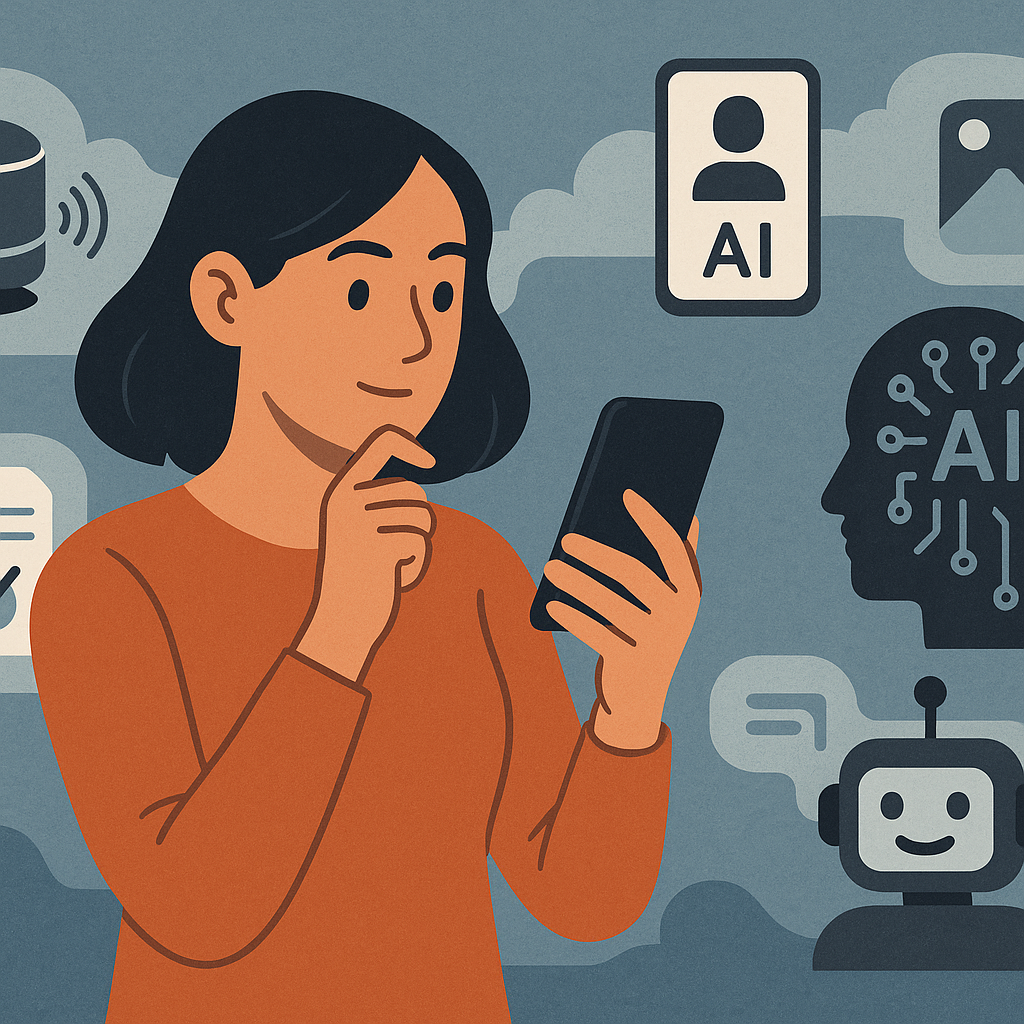
AI-powered products are everywhere — from voice assistants and photo apps to loan pre-screening and health chatbots. Most users are not AI experts, but you don’t need to be a specialist to evaluate whether a tool respects your privacy, treats people fairly, and is open about how it works. This guide gives clear, practical checks and questions you can use when deciding whether to trust an AI product and how to raise concerns effectively.
Privacy and data practices: what to watch for
Permissions and data collection
Start by checking what the app or service asks permission to access. Common permissions to watch for include:
- Microphone and camera access — needed for voice or image features but should be explained and limited in scope.
- Contacts and messages — high-risk data that should not be accessed without a strong, explicit need.
- Location and sensor data — useful for some services, unnecessary for others.
- Files and storage — watch for broad file access requests that could expose unrelated personal files.
Data uses and sharing
Understand what the company does with the data it collects. Look for answers to these questions in the privacy policy or product documentation:
- Is my data used to improve the AI models — and if so, is it anonymized or aggregated?
- Will my data be shared with third parties (advertisers, analytics providers, model vendors)?
- How long is data retained, and can I delete it?
- Is there an option to opt out of data collection or model improvement programs?
Simple privacy checks
Quick red flags to watch for: a vague or missing privacy policy, no retention or deletion information, broad “we may share” language, and no contact point for privacy questions. Prefer services that state specific retention periods, offer data deletion, and describe whether data is processed locally or sent to remote servers.
Recognizing bias and unfair outcomes
Common signs of biased or unfair behavior
AI can reflect or amplify biases in data. Look out for:
- Consistent errors affecting particular groups (e.g., poor speech recognition for certain accents or facial recognition misidentifying people of a certain race).
- Stereotyped or offensive outputs (e.g., job recommendations skewed by gender, or image captions making assumptions).
- Unequal treatment in decisions with real consequences (loan denials, differential pricing, content moderation disproportionately targeting groups).
How to test for bias (simple, non-expert tests)
You can run small, informal checks yourself:
- Change only one variable at a time — try identical inputs with different names, genders, or accents to see if results differ.
- Use representative samples — test a few examples from groups you care about (age, language, region, skin tone) and note patterns.
- Record and compare — keep screenshots, timestamps, and exact prompts so you can show evidence if you report an issue.
How to report biased or unfair outcomes
When you see a problem, report it clearly and constructively. Include:
- A precise description of the issue and why it seems biased.
- Exact inputs, outputs, screenshots, and timestamps.
- Details of your device, app version, and any settings that matter.
Report first to the vendor (support or a “report bias” channel if available). If you get no satisfactory response, escalate to platform providers (app stores), consumer protection agencies, or data protection authorities. Many regulators accept complaints about discriminatory or unsafe automated systems.
Assessing transparency, explainability, and vendor accountability
Transparency signals to look for
Transparent vendors make it easy to find clear information about their AI systems. Positive signs include:
- Model cards, algorithmic impact assessments, or plain-language descriptions of how the AI works and its limitations.
- Information about the training data sources and known gaps or biases.
- Published audits, third-party evaluations, or research papers describing performance.
Explainability: what to expect
Not every AI will offer full technical explanations, but users should get understandable reasons for important outcomes. For example:
- For decisions about finance, health, or employment, expect a summary of factors that influenced the decision and how to contest it.
- Look for confidence scores or alternative suggestions when the system is uncertain.
Vendor accountability and red flags
Trustworthy vendors offer clear accountability mechanisms. Positive indicators:
- Contact details for data/privacy questions and a process to lodge formal complaints.
- Evidence of independent audits, compliance with standards (e.g., privacy frameworks), and a public responsible-AI policy.
- Options for data deletion, export, and opt-out.
Red flags include: “proprietary” as a blanket excuse for no explanation, no way to contact a human, refusal to delete or export data, and absence of any audit or testing information.
Practical checklist and final actions
Before you trust and continue using an AI tool, run through this short checklist:
- Privacy: Does the app explain what data it collects, why, how long it’s stored, and whether I can delete it?
- Permissions: Does each requested permission match the feature’s need?
- Fairness: Do basic tests show consistent treatment across different people or groups?
- Transparency: Is there documentation (model card/description) and clear limitations stated?
- Accountability: Is there a clear way to contact the vendor and escalate problems?
If you encounter problems, document evidence, contact the vendor, and escalate to app stores or regulators if needed. Sharing your experience on public forums can alert others and increase pressure for fixes.
Conclusion
Consumers don’t need to be AI researchers to make reasonable judgments about the tools they use. By asking straightforward questions about data practices, testing for biased outcomes, and checking for transparency and accountability, you can make informed choices and push vendors to do better. Small actions — choosing more transparent tools, reporting issues, and demanding deletions or explanations — help shape an AI ecosystem that respects privacy, fairness, and trust.